In this guide
1. The honest timeline
Miami is one of the best places in the country to grow a hedge fast — year-round warmth and a long wet season mean plants barely stop growing. Even so, a hedge is a living thing, not a fence. From moderate 3-gallon stock, expect meaningful privacy in roughly 9 to 24 months depending on species, with full mature density taking longer.
Anyone promising an instant permanent wall from small plants is overselling. What we can do is engineer the timeline deliberately.

2. How long by species
Rough time to a usable screen from moderate stock, planted at sensible spacing and watered in well:
- Areca palm — fast for height; a tall screen inside a year is realistic where it has room.
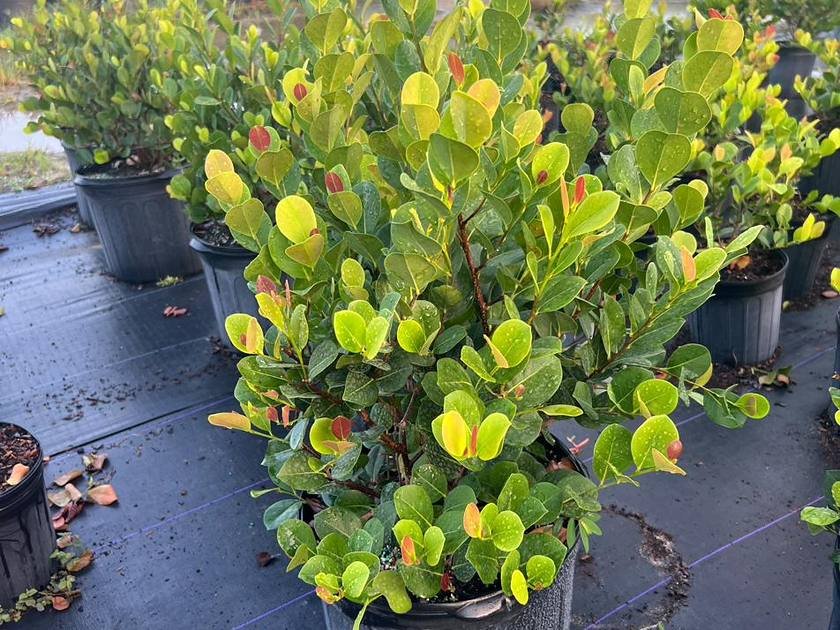
- Clusia — fast and dense; often screens within about a year and keeps thickening.
- Cocoplum — moderate; give it a bit longer than clusia to close fully.
- Silver buttonwood — moderate, quicker from larger specimen stock.
- Podocarpus — the patient one; a solid formal wall usually takes two-plus years.
3. What speeds it up
- Bigger starting plants — the fastest route; you buy time already grown.
- Correct spacing — tight enough to close, not so tight they fight. See our spacing guide.
- Real soil prep — amending Miami sand and limestone at planting pays back in growth. See soil preparation.
- Consistent watering in the establishment window — the first months decide the pace. See watering new plants.
- Planting into the wet season (roughly May–October) so nature does the irrigating.
4. What slows it down
The usual culprits are under-watering in the first summer, planting too deep in our shallow limestone, skipping soil amendment, or choosing a slow species and then being surprised it is slow. Nutrient lock-out from our high-pH soil — the yellowing you see on new plants — also stalls growth; a little chelated iron and the right fertiliser keep things moving. Pest pressure left unchecked does the rest.
5. The size shortcut
If time matters more than budget, this is the lever that works: start bigger. A hedge of 15-gallon clusia can look established almost immediately, where the same plants in 3-gallon pots take a year to get there. You are quite literally buying growing time that has already happened at our nursery. For many clients the right answer is a middle size — established enough to screen soon, without paying top dollar for the very largest stock.
6. Setting realistic expectations
Decide first whether your priority is speed, budget or the final look, because you rarely max all three. Fast and cheap means a thinner screen for a while. Fast and full means paying for larger stock. Cheap and full means patience. Tell us which corner you are optimising for and we will build the plan — species, size and spacing — to match, and tell you honestly when you will actually have privacy.
Tell us your deadline. If you need privacy by a specific date — a new neighbour, a pool going in, an event — we can hit it by combining the right species, spacing and starting size. Ask us how. Get a quote.