In this guide
1. Why natives are easier here
A Florida native evolved in exactly these conditions: nutrient-poor sand, alkaline pH, torrential summer rain followed by months of very little, intense sun and local pest pressure.
That gives three practical advantages. They need far less irrigation once rooted. They rarely need fertiliser, having adapted to lean soil. And they typically face less pest pressure, because local predators evolved alongside the insects that eat them.

2. Shrubs and hedge plants
- Firebush — orange-red tubular flowers nearly year-round, draws butterflies and hummingbirds, thrives on almost no attention.
- Cocoplum — glossy, dense, hedgeable, exceptional salt tolerance.
- Silver buttonwood — silvery foliage, tough, salt and wind tolerant.
- Simpson stopper — fragrant white flowers, red berries, heavy bird traffic. Hedge or small tree.
- Wild coffee — glossy deeply veined leaves, tolerates shade well, useful under canopy.
- Necklace pod — yellow flowers, drought tolerant, popular with hummingbirds.
3. Groundcover and grasses
- Muhly grass — fine green texture most of the year, then clouds of pink plumes in autumn.
- Beach sunflower — low spreading mat with continuous yellow bloom. Excellent on hot exposed slopes.
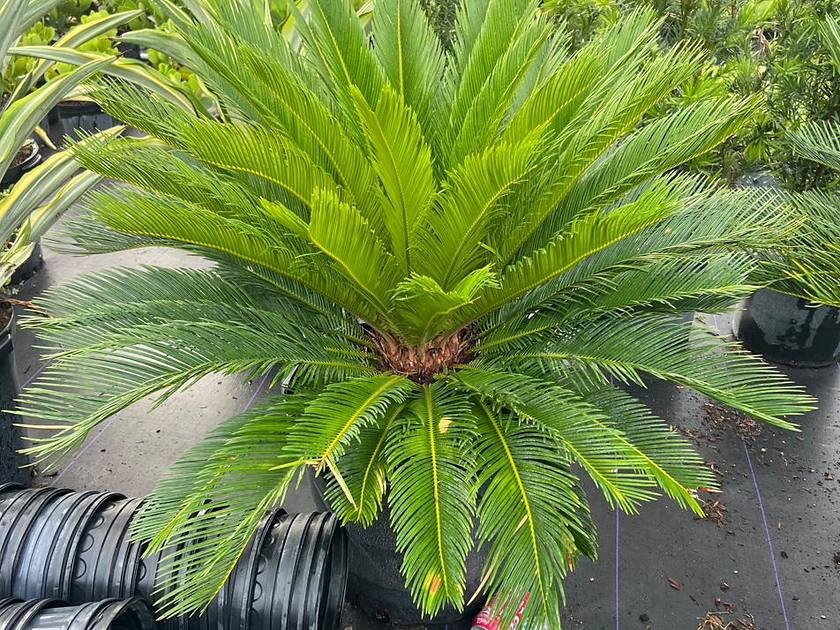
- Coontie — native cycad, slow, architectural, essentially indestructible. Host plant for the atala butterfly.
- Saw palmetto — extremely tough, effectively permanent. Slow to establish, then needs nothing.
- Tickseed — Florida’s state wildflower, yellow daisies, self-seeds happily.
- Blue porterweed — low sprawling habit, near-continuous blue flowers, heavily visited by pollinators.
4. Establishment is not optional
This is where native plantings most often fail, and it is a misunderstanding rather than a plant problem.
A native in a container has a root system sized for that container. Until roots grow into surrounding soil it cannot access the water reserves that make it drought tolerant. Planted and left alone in May, it dies of thirst — and people conclude natives are difficult.
- Weeks 1–2: water every other day
- Weeks 3–8: twice a week
- Months 3–6: weekly, reducing
- After that: rainfall, with supplemental water only in extended dry spells
Plant at the start of the wet season and nature handles much of this for you.
5. Common mistakes with natives
- Over-fertilising. Natives adapted to lean soil. Heavy feeding produces soft floppy growth and more pest interest.
- Over-watering after establishment. Root rot is a bigger risk than drought.
- Over-pruning. Most look best in natural form. Shearing firebush into a ball removes the flowering wood that made it worth planting.
- Wrong native, wrong place. A dune species and a hammock understorey species want very different conditions.
- Expecting instant results. Coontie and saw palmetto are genuinely slow. Buy larger stock for presence sooner.
Want a yard that survives a dry winter without irrigation? Tell us your sun exposure and how much you want to convert. Get in touch.